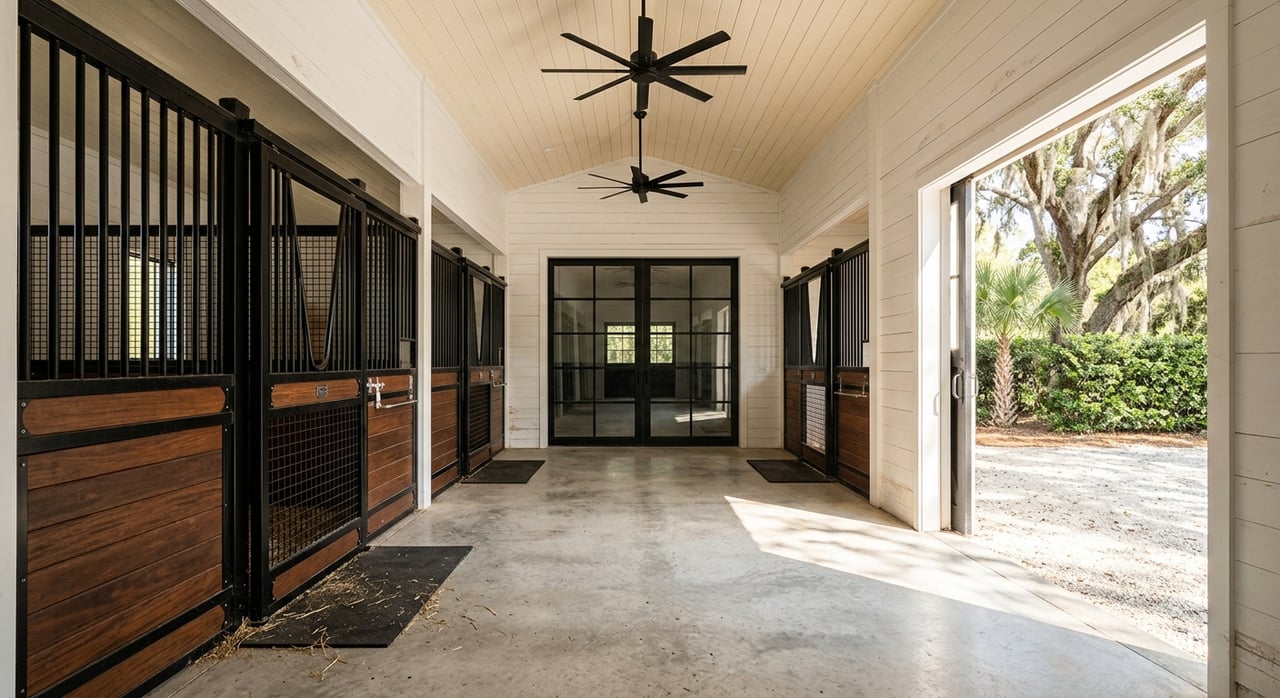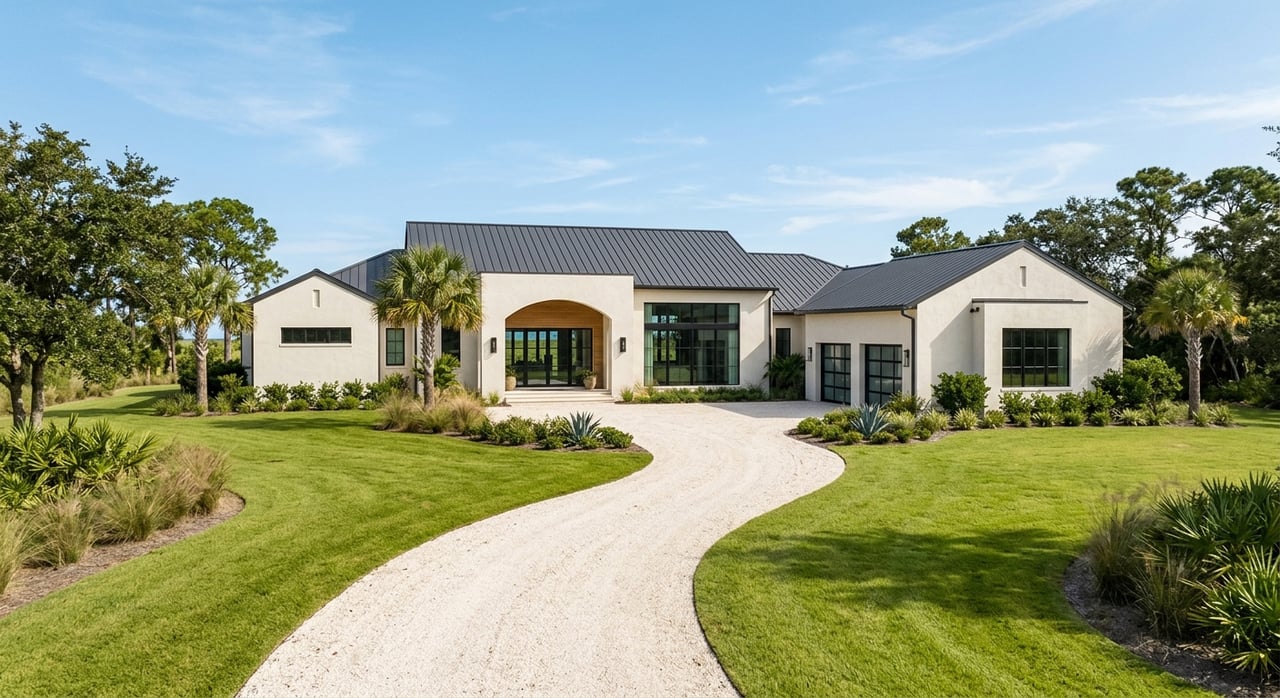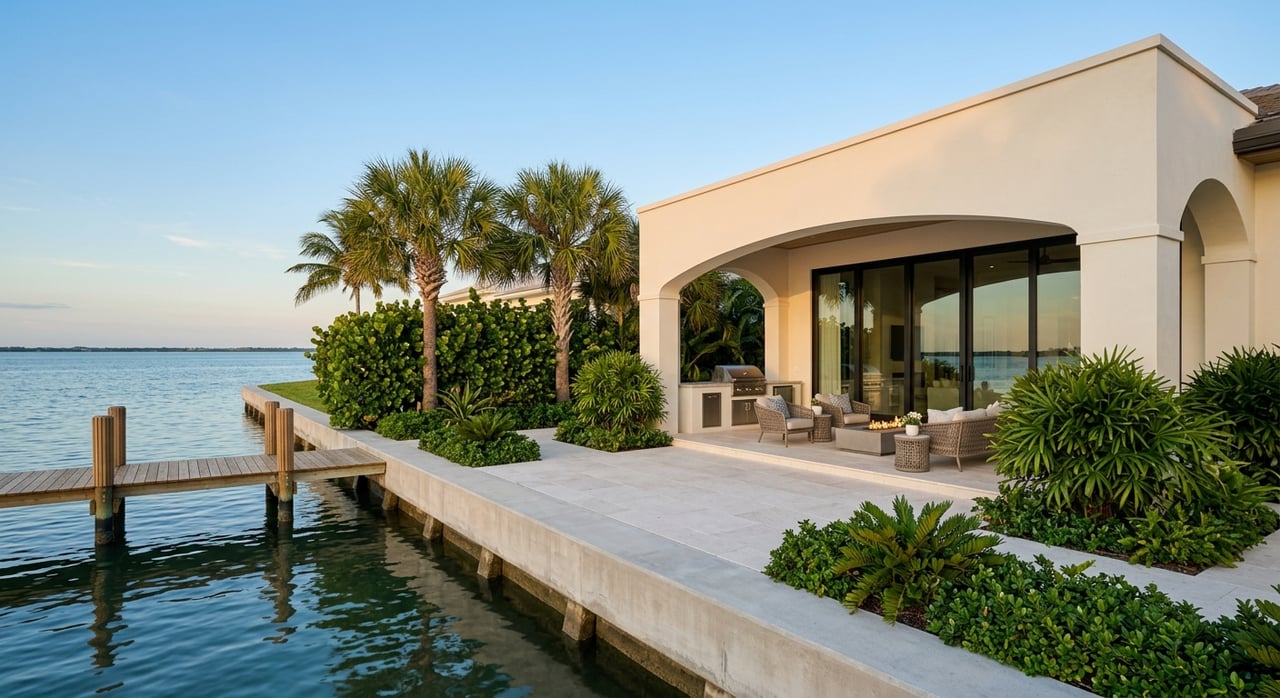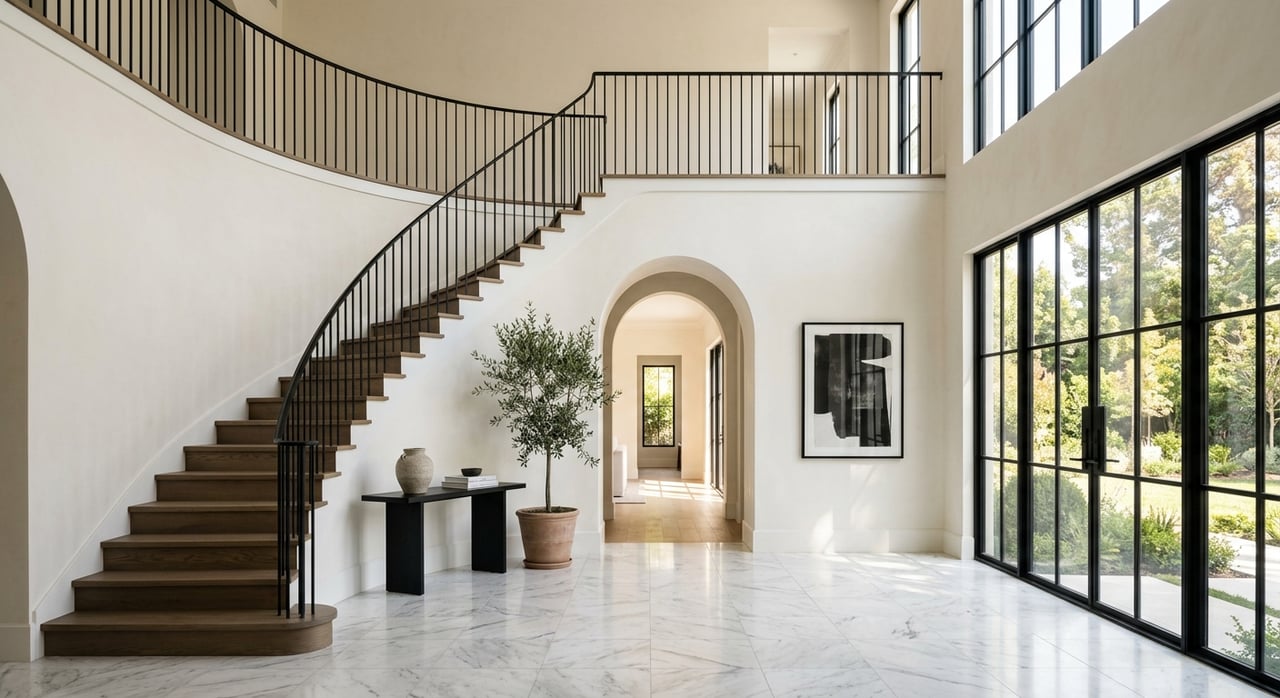
If you have ever wondered why Palm Beach luxury homes feel so distinct, the answer starts long before today’s polished finishes and resort-style outdoor spaces. On Palm Beach Island, history is not just background detail. It still shapes where homes sit, how they look, and what buyers value most. If you are exploring the North End or comparing Palm Beach neighborhoods, understanding that history can help you read the market with more confidence. Let’s dive in.
Palm Beach Began as a Resort Town
Palm Beach did not grow like a typical suburban market. According to the Town of Palm Beach, the island’s first permanent pioneers arrived in 1872, the Coconut Grove House opened in 1880, Henry Flagler completed the Royal Poinciana Hotel in 1894, the Florida East Coast Railway reached Palm Beach in 1896, and the town incorporated in 1911.
That early resort pattern still matters today. The island developed around hospitality, seasonal living, and a compact, service-rich core instead of wide suburban expansion. For you as a buyer or homeowner, that helps explain why location, water access, and proximity to clubs, shopping, and walkable corridors remain central to Palm Beach value.
Henry Flagler Still Shapes Today’s Lifestyle
The Town of Palm Beach states that no individual shaped the island’s existence and character more than Henry Flagler. His hotel and rail investments helped turn Palm Beach into a destination tied to leisure, service, and seasonal living.
You can still see that influence in the way luxury housing is experienced today. Palm Beach remains a beach-and-club town, with 12 miles of beachfront, the Lake Trail, golf, luxury hotels, and established retail corridors reinforcing the same lifestyle foundation that first drew visitors to the island.
Palm Beach Architecture Evolved in Eras
One of the most useful ways to understand Palm Beach luxury homes is to see them as part of a long design timeline. The island did not settle into one architectural style and stop there. Instead, each era added a new layer.
That layered history is part of what makes Palm Beach homes feel collected rather than copied. Even newer residences often reflect the island’s earlier design language through massing, materials, landscaping, or careful references to historic forms.
Pioneer and Early Resort Influence
In the earliest years, Palm Beach architecture reflected more common vernacular styles seen across the United States. These homes belonged to a smaller, developing settlement before the island became known for grand seasonal residences and luxury hospitality.
For today’s market, that era matters less for one specific style and more for the settlement pattern it created. In places like the North End, older roots helped shape a more layered residential fabric that still feels different from estate-heavy sections farther south.
Mizner and Mediterranean Revival
A major design shift came in 1918, when Addison Mizner designed the Everglades Club. According to the Preservation Foundation of Palm Beach, that project introduced southern European influences, helped launch Mizner’s career, and sparked the 1920s move toward Mediterranean Revival on the island.
That influence still shows up in many of Palm Beach’s most recognizable luxury-home features. Arched openings, textured finishes, courtyards, imported details, and an Old World mood became part of the island’s architectural vocabulary. Even homes with updated interiors often preserve these exterior cues because they are so closely tied to Palm Beach identity.
1930s Modernism Added a New Layer
Palm Beach did not remain locked in one historic look. The Preservation Foundation’s exhibitions show that 1930s architects such as Maurice Fatio, Belford Shoumate, and John Volk brought Streamline Moderne and related modern styles to the island.
That matters if you are trying to understand why Palm Beach luxury can feel both classic and current. The island’s high-end homes often reflect a conversation between old and new, where historic character and cleaner modern lines exist side by side rather than in conflict.
John Volk and Adaptation Over Time
John Volk’s work is especially important because it shows how Palm Beach architecture adapted to changing needs over time. The Preservation Foundation notes that Volk adjusted styles across a 50-year career as the community evolved.
That legacy continues in today’s market. Some of the most compelling luxury homes preserve historic exteriors while opening interiors for art, entertaining, and modern daily living. In Palm Beach, luxury often feels historic without feeling frozen.
The North End Has Its Own Identity
If your focus is the North End, history helps explain why this area feels different from other parts of the island. Palm Beach planning materials and the town’s resident guide place the nearly six-mile Lake Trail from the Royal Park Bridge to the North End, reinforcing how important this corridor is to the island’s daily experience.
Rather than reading like one planned subdivision, the North End is better understood as a layered coastal district shaped by the Lake Trail, North Lake Way, and North Ocean Boulevard. That gives the area a rhythm that feels organic, with a mix of older settlement traces and later waterfront development.
Older Settlement Traces Still Matter
The North End retains strong ties to Palm Beach’s early history. Sea Gull Cottage, now the oldest house in Palm Beach, was relocated back to its original Lake Trail area, and the Little Red Schoolhouse originally stood about a mile north of the Royal Poinciana Bridge on the Lake Trail.
These details are more than preservation trivia. They help explain why the North End carries a sense of continuity that appeals to buyers who want Palm Beach prestige with a more layered and place-specific feel.
Waterfront Infill Changed the Area
The North End also evolved with later waterfront homes that introduced modern design without erasing the district’s older roots. Properties such as Fore and Aft and Mañana Point show how 1930s modernism arrived in the area while becoming part of the existing fabric.
For today’s buyer, that often translates into a mix of architectural influences rather than a single visual theme. It is one reason North End luxury can feel more nuanced, especially if you value homes that reflect the island’s long design story.
The South End Developed Differently
The South End followed a different path. The Preservation Foundation describes examples such as Collado Hueco and Deux Horizons as large ocean-to-lake or lake-to-ocean estates, and notes that properties like Cielito Lindo were later divided into lots that produced additional homes.
Taken together, those examples suggest a more estate-based pattern, with longer east-west parcels and larger compounds than the North End’s older settlement fabric. If you are comparing sections of the island, this historical difference helps explain why lot structure, scale, and overall feel can vary meaningfully from north to south.
Recreation Shapes the South End Too
The South End is also closely tied to recreation-oriented living. The Town of Palm Beach identifies Phipps Ocean Park and the Palm Beach Par 3 Golf Course as key amenities, and the town is renovating Phipps Ocean Park to restore its original public-oceanfront purpose while adding new recreation and education features.
That adds another layer to Palm Beach’s luxury appeal. In many cases, home value on the island is not only about the residence itself, but also about how the surrounding environment supports an active coastal lifestyle.
Preservation Influences Luxury Today
Palm Beach history shapes luxury homes not just through design, but through regulation. The Town of Palm Beach adopted its Historic Preservation Ordinance in 1979, created a Landmarks Preservation Commission, and says that more than 328 landmark properties, sites, and vistas are now protected.
For you, this helps explain why Palm Beach luxury often centers on restoration, adaptive reuse, and carefully planned additions. The market is not defined by unrestricted redevelopment. Instead, value often comes from respecting what is already significant and updating it thoughtfully.
Historic Character Supports Long-Term Appeal
This preservation structure helps sustain the island’s visual continuity. It also protects the qualities that many luxury buyers come to Palm Beach for in the first place, including architectural distinction, established streetscapes, and a strong sense of place.
That consistency can be a real advantage if you are buying with long-term lifestyle and legacy in mind. In Palm Beach, scarcity and character often work together.
Landscape Is Part of the Home Story
On Palm Beach Island, the house is only part of the design language. The Preservation Foundation says the 1929 Plan of Palm Beach was prepared by the Garden Club of Palm Beach and approved by Town Council, showing how seriously landscape planning has long been treated.
That heritage still shows up today in the relationship between homes, gardens, and streetscapes. Native plantings, lot design, and tree canopy are not afterthoughts. They are part of how luxury is expressed on the island.
Commercial Corridors Reflect the Same Heritage
Palm Beach’s social and commercial centers also carry this historical continuity. The Preservation Foundation says Royal Poinciana Plaza was built in 1958 by John Volk on the former Royal Poinciana Hotel site with a Regency-style layout and a pedestrian-only interior.
The town’s resident guide points to Royal Poinciana Way, Worth Avenue, and The Royal Poinciana Plaza as major dining and shopping corridors. For buyers, these destinations reinforce the island’s original resort framework and support the lifestyle value that still defines Palm Beach ownership.
What Today’s Buyers Can Learn
If you are shopping for a luxury home in Palm Beach, history offers practical insight. It can help you understand why one section of the island feels more intimate, why another feels more estate-oriented, and why certain architectural features continue to command attention.
It also explains why Palm Beach homes often balance preservation with livability. The strongest properties tend to honor the island’s design heritage while making room for how people live now, whether that means more open entertaining spaces, better indoor-outdoor flow, or a cleaner, brighter interior experience.
In the North End especially, that balance can be compelling. You get a part of the island where early settlement traces, Lake Trail life, and later waterfront architecture all shape a luxury market that feels deeply rooted rather than manufactured.
If you want guidance on Palm Beach luxury homes, neighborhood differences, or how to evaluate a property through both lifestyle and long-term value, Megan Hamilton offers the refined, hands-on insight that makes complex coastal real estate decisions feel clear.
FAQs
How does Palm Beach history affect luxury home design today?
- Palm Beach luxury homes are shaped by several design eras, including early settlement, Flagler’s resort development, Mizner’s Mediterranean Revival, 1930s modernism, and later preservation-led updates.
What makes the North End of Palm Beach distinct?
- The North End is defined by older settlement traces, Lake Trail access, North Lake Way and North Ocean Boulevard, plus later waterfront infill that created a layered residential character.
How is the South End of Palm Beach different from the North End?
- Historical records suggest the South End developed with more estate-scale, ocean-to-lake and lake-to-ocean parcels, while the North End reflects an older, more layered settlement pattern.
Why is preservation so important in Palm Beach?
- The town’s historic preservation framework protects landmark properties, sites, and vistas, which helps maintain architectural character and encourages careful restoration and adaptive reuse.
Why do Palm Beach luxury homes feel both historic and modern?
- Palm Beach homes often preserve significant exterior character while adapting interiors for contemporary living, entertaining, and art-focused design, creating a blend of continuity and comfort.