Looking for horse property in Jupiter Farms? The right home can offer the space, privacy, and rural feel you want, but not every acreage property works the same way for horses. If you are planning for barns, paddocks, trailer access, or future improvements, you need more than a pretty listing. You need parcel-specific clarity before you buy. Let’s dive in.
Why Jupiter Farms Appeals to Equestrian Buyers
Jupiter Farms stands out because it is an acreage market, not a typical suburban neighborhood. Palm Beach County places the area within a low-density framework where many lots are around 1.25 acres, with plenty of 2.5- to 5-acre parcels and some larger tracts. That mix gives buyers more options, whether you want a manageable homesite or more room for equestrian use.
The area also has a long-established rural character. According to Palm Beach County’s neighborhood plan, many parcels reflect older lot divisions, which is why you will see both conforming and nonconforming lots throughout Jupiter Farms. That means the exact history of a parcel can matter just as much as its size.
Start With Zoning and Land Use
Before you think about fencing, turnout, or a barn layout, confirm what the property actually allows. In Palm Beach County’s Rural and Exurban Tiers, domesticated livestock may be kept accessory to a single-family home if the property is not in a PUD, but livestock sales are prohibited.
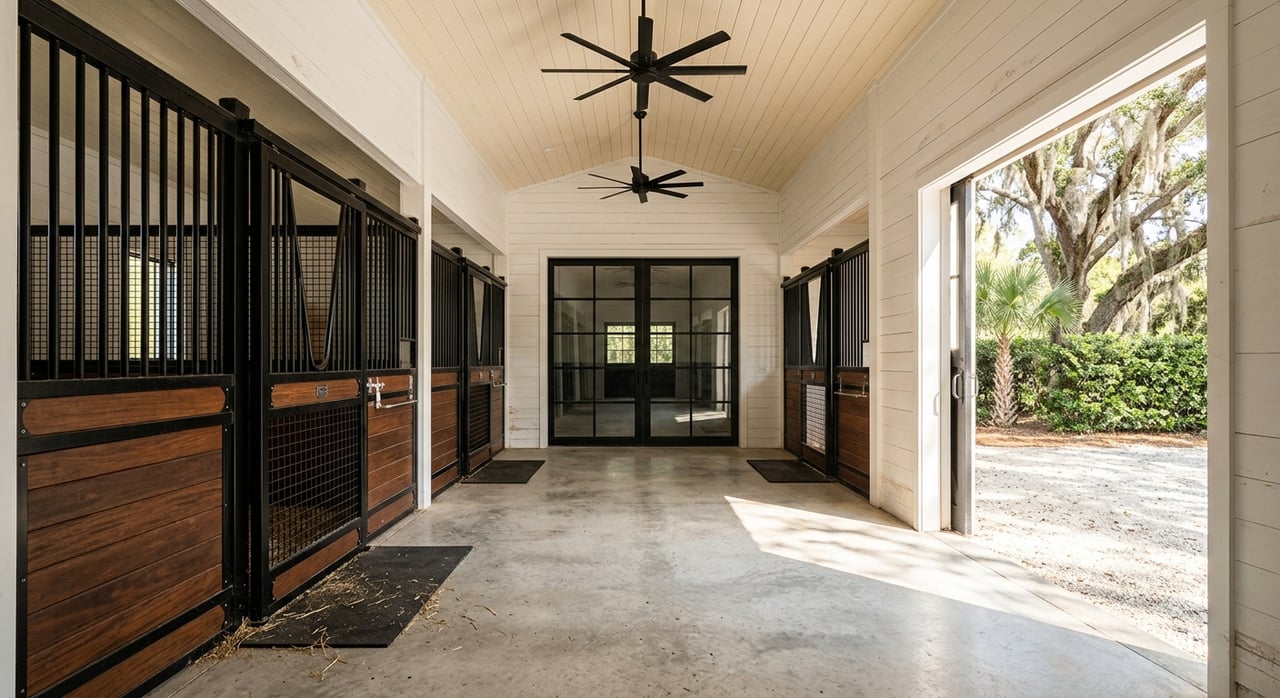
Within the Jupiter Farms AR zoning framework, agriculture, single-family homes, home occupations, and private stables are permitted uses. Equestrian arenas and veterinary clinics are conditional uses, and commercial stables are subject to site-plan review. Because future land use and zoning must be consistent, you should verify both through the county’s mapping tools for the specific parcel you are considering.
Why Parcel History Matters
Two properties on the same street can come with different practical limitations. Palm Beach County notes that previously divided lots under 10 acres may be exempt from the newer 10-acre minimum, which helps explain the area’s variety of parcel sizes and lot configurations.
That history can affect how a property is treated today. If you are buying with plans to expand or reconfigure the site later, older platting, nonconforming status, and prior divisions should all be reviewed early in the process.
Think Beyond “Can I Keep Horses?”
A better question is: How well will this property function day to day? A parcel may technically allow horses, but that does not automatically mean it is easy to use for trailers, turnout, storage, or future improvements.
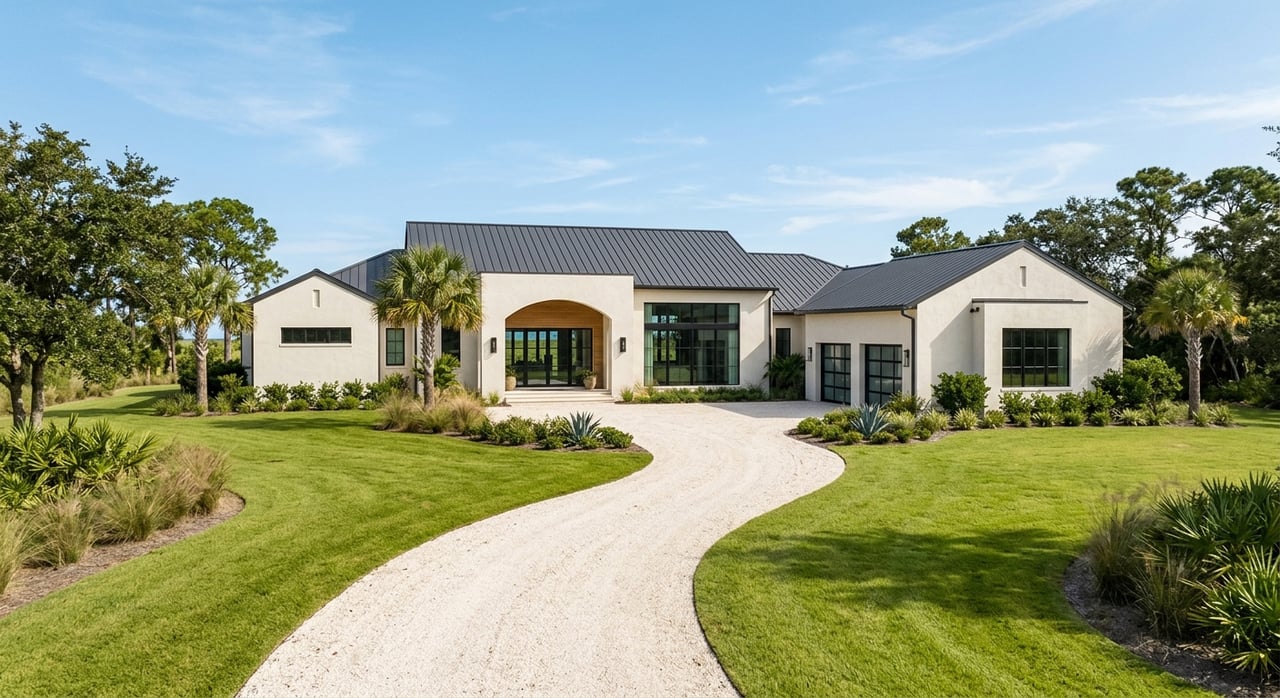
This is where layout matters. Driveway width, turning radius, gate placement, and open maneuvering space can shape your daily routine more than the acreage number on paper. In Jupiter Farms, practical usability is a major part of value.
Barns, Fences, and Improvements
Palm Beach County says permits are generally required for structures and work such as fences, sheds, gazebos, slabs, room additions, and gas, electrical, plumbing, or mechanical work. If a property already has equestrian improvements, it is smart to confirm whether that work was permitted or properly exempt.
That step matters at purchase and later at resale. Unpermitted fences, sheds, or accessory structures can create delays, added costs, or negotiation issues when you sell.
Agricultural Exemption Is Not Automatic
Some buyers assume acreage alone creates broad flexibility. In reality, Palm Beach County says certain nonresidential farm buildings, farm fences, and farm signs may qualify for an agricultural permit exemption only when the land is designated agricultural and used primarily for bona fide agricultural purposes.
In other words, land size by itself is not enough. If a listing mentions agricultural benefits or exemptions, verify exactly how that applies to the parcel and the current use.
Trailer Storage and Access Rules Matter
Horse-trailer logistics are easy to overlook until move-in day. Palm Beach County says boats, trailers, campers, and similar vehicles cannot be stored between the street and the house. They may be kept behind the front setback in side or rear yard areas if screened by an opaque wall, fence, or hedge at least six feet high.
For equestrian buyers, that makes site layout especially important. You will want to evaluate not just where a trailer can be stored, but also how it enters the property, where it turns around, and whether the setup feels workable for regular use.
A Simple Property Access Checklist
When touring equestrian-friendly property in Jupiter Farms, look closely at:
- Gate width
- Driveway length and surface
- Trailer turning space
- Side and rear yard storage options
- Screening areas for trailer placement
- Distance between home, barn space, and paddocks
- Easements or obstructions that affect movement
A property that feels open from the road may still be awkward for real-world trailer use. Walking the site with those details in mind can save you from expensive changes later.
Drainage, Utilities, and Land Conditions
Jupiter Farms is not just an acreage market. It is also a drainage-managed landscape. The South Indian River Water Control District serves Jupiter Farms and maintains canals, roads, swales, and culverts, which is why low spots, drainage flow, and easements deserve close attention during your due diligence.
That matters for horses because wet ground can affect turnout areas, footing, and day-to-day maintenance. A property with the right high-and-dry buildable areas may function very differently from one with more standing water or poorly placed low areas.
Check the Utility Setup
Palm Beach County utility policy allows water wells, septic, or sanitary service in unincorporated areas not served by public utilities. That means your utility setup may vary from one property to another.
For buyers, this should be part of the land decision from the start. Well and septic placement, drainage routes, and space for future improvements all need to work together on an equestrian property.
Public Riding Access Adds Value
One reason Jupiter Farms continues to attract horse owners is the access to public equestrian facilities and trails nearby. Jupiter Farms Park Equestrian Facility is a major local resource, and Palm Beach County says it is open to the public except during special events, from sunrise to sunset.
The facility includes a 140 by 230 foot sand arena, a 160 by 230 foot grass arena, a 70 by 130 foot warm-up arena, and horse-trailer parking. Posted rules include a current negative Coggins test on request, helmets for riders 16 and under, attended horses at all times, no grazing, and no riding outside designated trails.
Nearby Trail Options
Public riding opportunities extend beyond the park. Nearby options include:
- Cypress Creek Natural Area with 1.2 miles of equestrian trails
- Loxahatchee Slough Natural Area with more than 4 miles of equestrian trails
- Bluegill Trail, a 5-mile improved route with a grassy swale for equestrian use
- Historic Jupiter-Indiantown Trail, including a 2-mile segment with horse-trailer parking, a chickee shade shelter, and a pitcher-pump well
- Riverbend Park, which serves as a gateway to the surrounding management area
For many buyers, this public access supports the lifestyle side of the decision. It means your property does not need to do everything on its own to still offer a strong equestrian experience.
Everyday Convenience Still Matters
A rural setting does not mean total isolation. Palm Beach County’s neighborhood plan identifies the Jupiter Farms Community Shopping Center, an elementary school, a community park, and a fire station as established neighborhood nodes within the planning area.
That is helpful context if you want acreage without feeling too far removed from everyday needs. Of course, specific services should still be verified based on the exact property and your preferred routes.
Budget for Ownership, Not Just Purchase Price
Buying equestrian-friendly property means planning for the land and the lifestyle that comes with it. UF/IFAS notes that wet or dry conditions can affect hoof health, and that clean, dry environments and balanced nutrition are important for horses.
That guidance connects directly to property selection. Drainage, pasture condition, and the quality of fencing are not just maintenance details. They shape your ongoing costs and daily management.
Costs Buyers Should Expect
As you budget, plan for recurring expenses such as:
- Fencing installation and repairs
- Footing and turnout maintenance
- Pasture management
- Manure handling
- Drainage upkeep
- Hoof and farrier care
- Veterinary care
- Storm preparation and emergency planning
UF/IFAS also emphasizes secure, visible fencing and current animal records as part of hurricane preparedness in Florida. In this market, storm readiness is part of responsible horse-property ownership.
A Smart Buying Strategy for Jupiter Farms
The most successful equestrian purchases in Jupiter Farms usually come down to details, not assumptions. Lot size is important, but it is only one piece of the decision. Zoning, parcel history, permit status, drainage, utility setup, and trailer functionality all shape how well a property will work for you.
If you are serious about buying in Jupiter Farms, take a parcel-by-parcel approach. A careful review now can help you avoid surprises later and find a property that truly supports the way you want to live and ride.
When you want local guidance that blends lifestyle insight with hands-on transaction management, connect with Megan Hamilton for a personalized approach to Jupiter Farms property searches.
FAQs
What lot sizes are common for equestrian-friendly property in Jupiter Farms?
- Palm Beach County says many Jupiter Farms lots are about 1.25 acres, with many 2.5- to 5-acre parcels and a smaller number of 5- to 10-acre and 10+ acre tracts.
What zoning issues should buyers check for Jupiter Farms horse property?
- Buyers should verify the exact parcel’s zoning, future land use, and parcel history because permitted uses and development options can vary based on the property’s status and location.
Can you keep horses on residential property in Jupiter Farms?
- In Palm Beach County’s Rural and Exurban Tiers, domesticated livestock may be kept accessory to a single-family residential use if the property is not in a PUD, and Jupiter Farms AR zoning allows private stables.
Do barns and fences need permits in Jupiter Farms?
- Palm Beach County says permits are generally required for items such as fences, sheds, slabs, additions, and utility work, though some agricultural improvements may qualify for exemption if strict conditions are met.
What should buyers know about horse-trailer storage in Jupiter Farms?
- Palm Beach County says trailers cannot be stored between the street and the house, and they may be stored behind the front setback in side or rear yard areas if screened by an opaque wall, fence, or hedge at least six feet high.
Are there public riding areas near Jupiter Farms horse property?
- Yes. Jupiter Farms Park Equestrian Facility offers public arenas and trailer parking, and nearby trail options include Cypress Creek Natural Area, Loxahatchee Slough Natural Area, Bluegill Trail, and the Historic Jupiter-Indiantown Trail.